
Scuba Diving Tips
Explore Sipadan – One Of The Best Dive Spots In The world [Video]
![Explore Sipadan – One Of The Best Dive Spots In The world [Video]](https://forscubadiving.com/wp-content/uploads/sipadan5-300x164-1.jpg)
Sipadan has been called one of the best dive spots in the world, so naturally it must be a perfect diving vacation for us.
Sipadan is an oceanic island of Malaysia.
Snorkeling and Scuba Diving Tips For Lobster Diving Season [Video]
![Snorkeling and Scuba Diving Tips For Lobster Diving Season [Video]](https://forscubadiving.com/wp-content/uploads/snorkeling-and-scuba-diving-tips-300x225-1.jpg)
Lobster diving or is it hunting draws big crowds down to the Florid Keys from October Through March.
Lobsters can be caught in relatively shallow waters of about 5 or 6 feet, requiring only snorkeling gear.
Tips For Diving With Reef Hooks? [video]
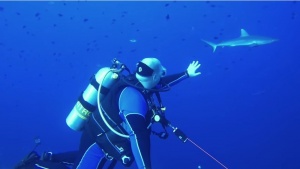
There are a number of advantages to diving with a reef hooks, not excluding diver safety.
Reef hooks are typically nothing more than a stainless steel claw or hook at the end of a 6 – 8 foot long rope.
Underwater Navigation Tips For Scuba Divers
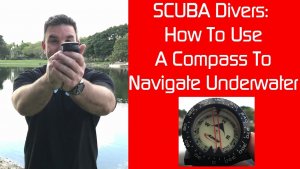
Learn to navigate both naturally and with a compass underwater.
As the diver quoted in the article below found out. It is very important to learn to navigate underwater for yourself and not rely exclusively on a dive guide for underwater navigation.
Ready To Step Up Your Diving Game?
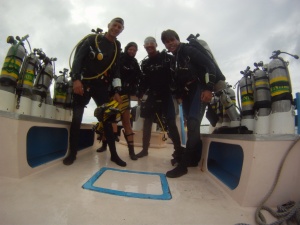
Tech diving may be in the cards for you if you are a recreational diver and exhibit the following 10 traits.
If you are getting comfortable at recreational diving and find you have a curiosity to explore more of the depths below then you may need to consider getting trained in Technical Diving.
Where To Find Marine Life When Scuba Diving
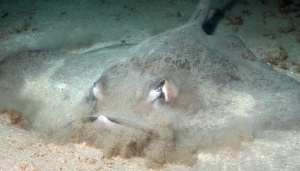
Learn to find where the marine life hangs out on your next dive.
If you have ever noticed the ability of your dive guides to find marine life where there was noting going on?
Scuba Diving At Altitude [video]
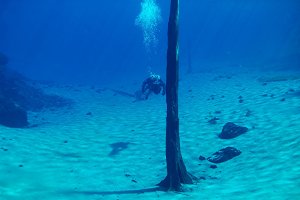
Altitudes of 1000 feet or 300 meters or more requires adjusting your standard diving rules to compensate for the relative difference in the atmospheric pressure.
Diver training programs assume that you are diving at or near 1 ATM ( at or near sea-level).
On Knowing When To Abort Your Dive
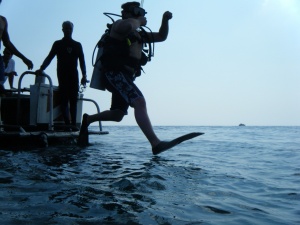
Even as an experienced scuba diver there may be times when what would seem a simple dive takes a turn for the worse.
Laura King explains how what would have otherwise been a simple and easy dive off the coast of Ft Lauderdale took a turn for the worse.
Rebreathers and Buoyancy
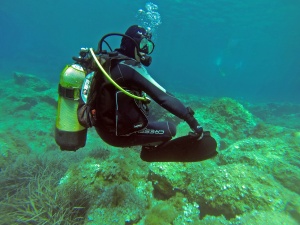
The ability to maintain neutral buoyancy is a key contributor to enjoyable diving.
Maintaining a neutral buoyancy allows us to effortlessly move below the surface without either sinking towards the bottom or floating upwards towards the surface.
The effects of Scuba Diving On The Human Body (Video)
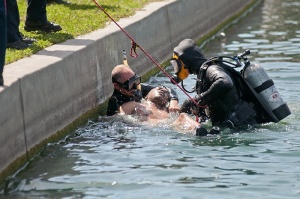
With the increased popularity of recreational scuba diving it is incumbent among EMS providers to become aware of scuba related injuries.
The most common causes of scuba related injuries are those related to physiological factors or conditions that result from operating in pressurized environments, ie the underwater environment.